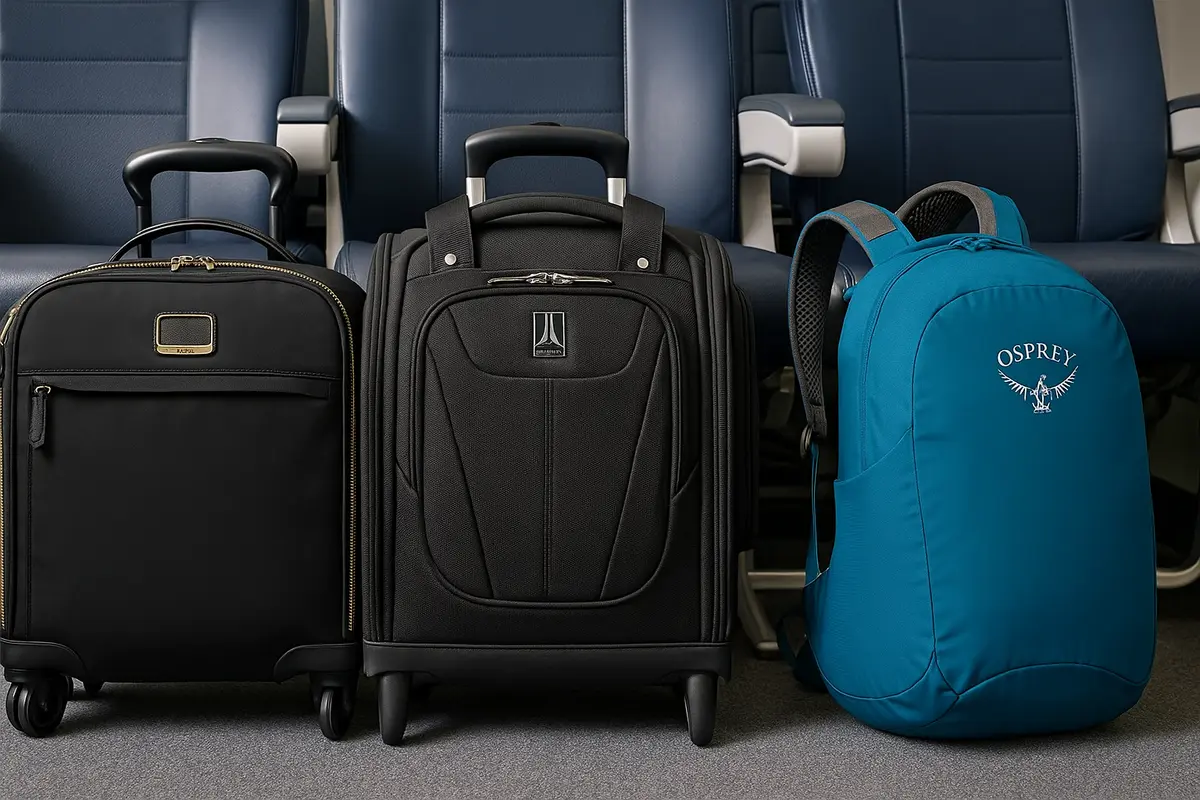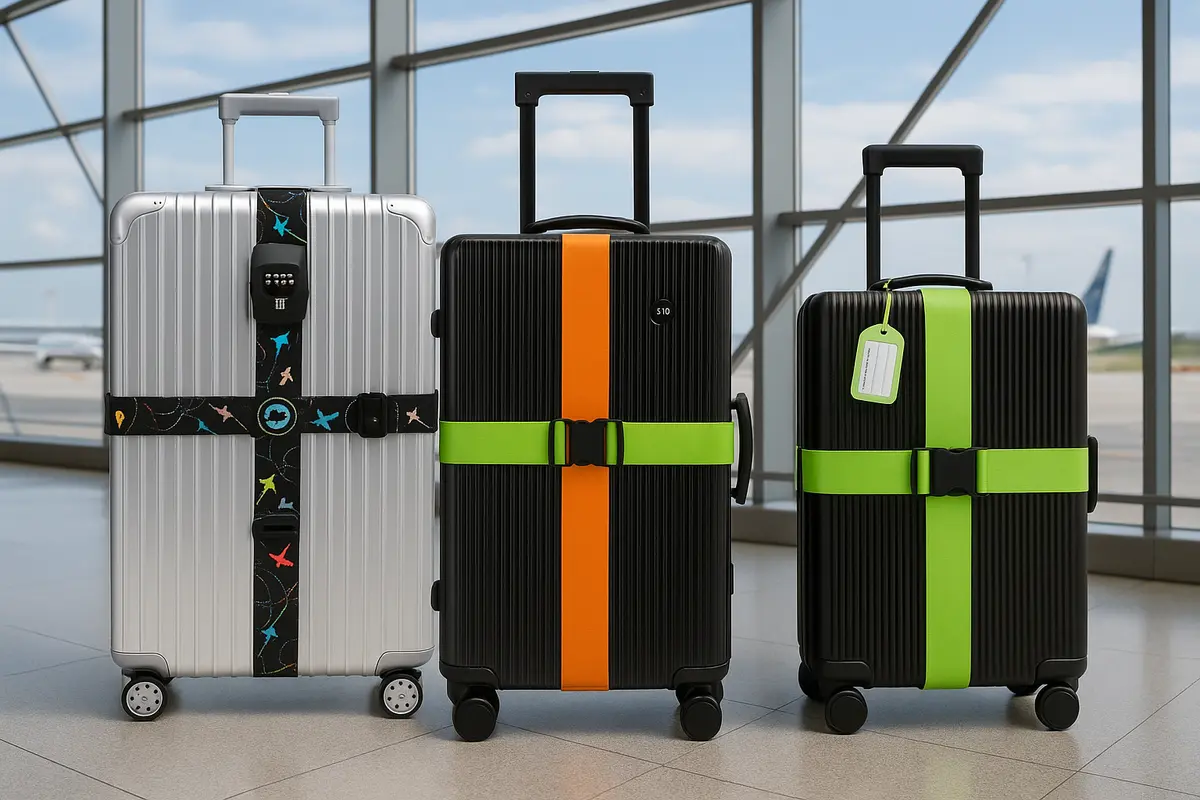
I used to dread unpacking. After every trip, my suitcases would lie open in the bedroom for days. Clothes hanging out, travel pillows half-packed, it drove me crazy and killed the cozy vibe of my room. Finally, I decided enough was enough. As someone who travels often, I realized properly storing my luggage at home was the only way to keep my space tidy and my bags ready for the next adventure.
In this guide, I’ll share everything I’ve discovered about how to store luggage at home, apratment, hotel or elsewhere especially when space is tight. These tips come from my own trial-and-error, so they’re realistic and easy to follow.
Facing the Luggage-Clutter Dilemma:
Returning from a trip used to feel chaotic. I remember one afternoon, suitcases scattered in the living room after a family vacation. My husband and I stared at the mess thinking, Now what? Letting my bags sit out led to clutter, and even worse, worn-out luggage.
I realized that storing luggage at home isn’t just about grabbing space; it’s about peace of mind. If your home is anything like mine, small closets and limited floor space, you probably face the same problem. I’m here to tell you: there are simple, creative solutions. I found that with a little planning, you can make suitcases almost disappear when not in use.
Why Storing Luggage the Right Way Matters:
At first, I thought of luggage storage as just a matter of space. But I learned it’s about more than that. Storing my suitcases properly has several benefits:
- Protecting Your Investment: Good luggage can cost a lot. When I leave my suitcase in a damp basement or crush it under other boxes, the wheels rust, zippers jam, and fabric fades. By finding a dry, stable spot (closet top or under bed), I keep my bags in great shape for many trips.
- Maximizing Home Comfort: Having empty suitcases lying around cluttered my living spaces. Once I started hiding them away neatly, my bedroom and living room actually felt larger and more inviting. No more tripping over a rolling suitcase on the way to the kitchen at midnight.
- Speeding Up Unpacking: Here’s a trick I picked up, unpack immediately. My husband is really good at this, and I decided to follow suit. I treat unpacking as part of returning home. It made storing luggage easier. A clean suitcase (one with collapsed expansions and nothing loose inside) is much simpler to put away.

How I Prepare My Luggage Before Storing:
Over time, I developed a little routine before stowing any bag away:
- Compress Every Bag: Many suitcases have zip-out sections or straps to reduce their size. I always zip up expansions and undo any straps so the bag is as flat as possible. This makes a huge difference for fitting it into storage.
- Clean It: I wipe down the interior and exterior of each bag. One time I learned the hard way after some shampoo leaked in my suitcase (yuck!), so now I always grab a damp cloth or a cleaning wipe to freshen it up before putting it back. A quick rinse keeps bad smells and stains at bay.
- Inspect and Repair: I check zippers, wheels, and handles. If something feels sticky or stuck, I fix it. A little lubrication or tightening screws ahead of time prevents bigger headaches later. For any damage that can’t be fixed cheaply, I mark that bag for replacement when I next shop. There are great end-of-season sales on luggage, so I might snag a deal rather than keep an almost-broken bag.
- Wrap: after all the process i wrap the luggage with plastic wrap, especially when i think that i am not going anywhere for a month, usualy i do this in case of checked luggage. If their is luggage cover available for your lugage then buy it, as it helps fast covering than plastic wrap, it is very useful in long stays at hotels.

With this simple prep routine, my suitcases stay in top shape. Now on to the creative storage tricks I’ve learned!
Luggage Storage Solutions (Everywhere)
Now for the fun part: hiding those bags! Depending on your home layout, you can mix and match these ideas. I live in a modest two-bedroom apartment, so my tips lean toward small-space living. But even in larger homes, using these smart hacks makes life easier.
Under-Bed Storage: Invisible But Accessible:
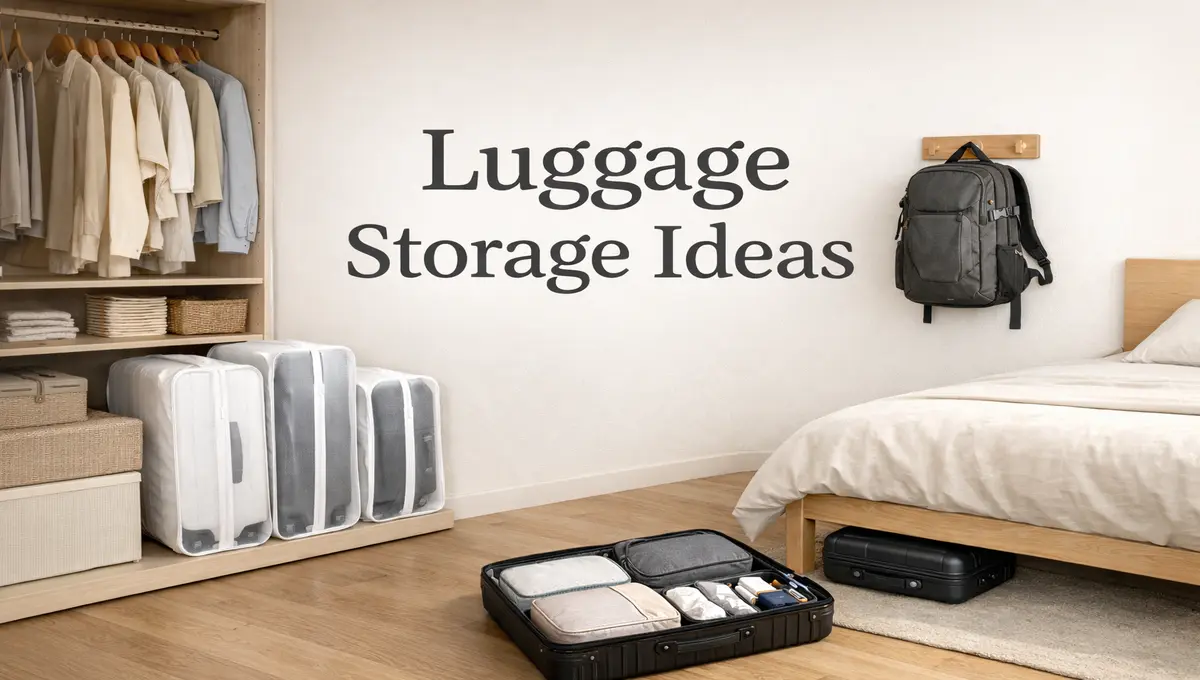
I quickly realized the space under my bed (1–2 feet of clearance) was wasted treasure. A regular suitcase slides right in, completely out of sight. Here’s what I do:
I bought some bed risers (available on Amazon and home stores). They lift my bed a few inches and create even more room underneath. With the bed raised, my largest checked suitcase fits flat under the frame. I leave it there until next time, and it never bothers the cat’s nap or gets in anyone’s way.
If a bag is too tall even after risers, I slip in low-profile under-bed bins with wheels. I got simple plastic containers that my carry-on and folded duffel bag fit in. The wheels are a lifesaver: I just roll the bin out when I need it, no heavy lifting. (Tip: measure first to make sure the bin fits your specific bed frame.)
One more trick: I sometimes store flat items inside an under-bed case – for example, my child’s foldable play mat or off-season clothes, to act as a spacer. This keeps the suitcase from sliding too far back and lets me grab it easily.

Luggage Stands and Racks:
For short-term off-loading, a foldable luggage rack helps a lot. At home, I keep one in the guest room closet. When guests stay, they can use it, and when not, it folds up and tucks behind the door. This way, one of your suitcases isn’t just sitting on the floor; it’s elevated until you’re ready to pack.

There are also wall-mounted luggage racks (like in dorms or small apartments) that flip down to hold a suitcase. If you’re handy, you could install a simple hinged shelf at waist height in a closet or hallway. I haven’t done this yet (my landlord frowned on drilling), but it’s on my list: a small shelf that pulls down to hold my carry-ons.
Closet Hacks: High Shelves and Hanging Tricks
Your closet can be a goldmine if you use it right. I moved one large suitcase to the very top shelf of my bedroom closet. It wasn’t easy to reach, but that’s fine – I rarely travel with that massive one. For reachability, I kept a small step stool nearby (handy for pulling things down or putting laundry away, too).

If you have a spare closet in a guest room or hallway, you can designate it as a “luggage closet.” In mine, I cleared off the highest shelf specifically for travel gear. When I did that, I realized: all I needed was a stable base. A piece of plywood on top can create a flat space for bags if your shelf is shallow.
Closet Ceiling Hooks: Here’s a trick I stumbled upon: install a heavy-duty hook on the closet ceiling (or inside a tall shelf). I once hung a duffel bag by its handle from a sturdy screw hook overhead. It keeps the bag off the floor and out of sight. (Make sure your hook is rated for the weight; you can find closet hooks at hardware stores.)
Behind Clothes: For smaller upright suitcases, I slide them on their side behind the row of hanging clothes. It’s tight back there, so I don’t see them, but they’re easy to pull out when packing. This works great in a standard 2-foot-deep closet.
Multi-Use Furniture: Blending Luggage into Decor
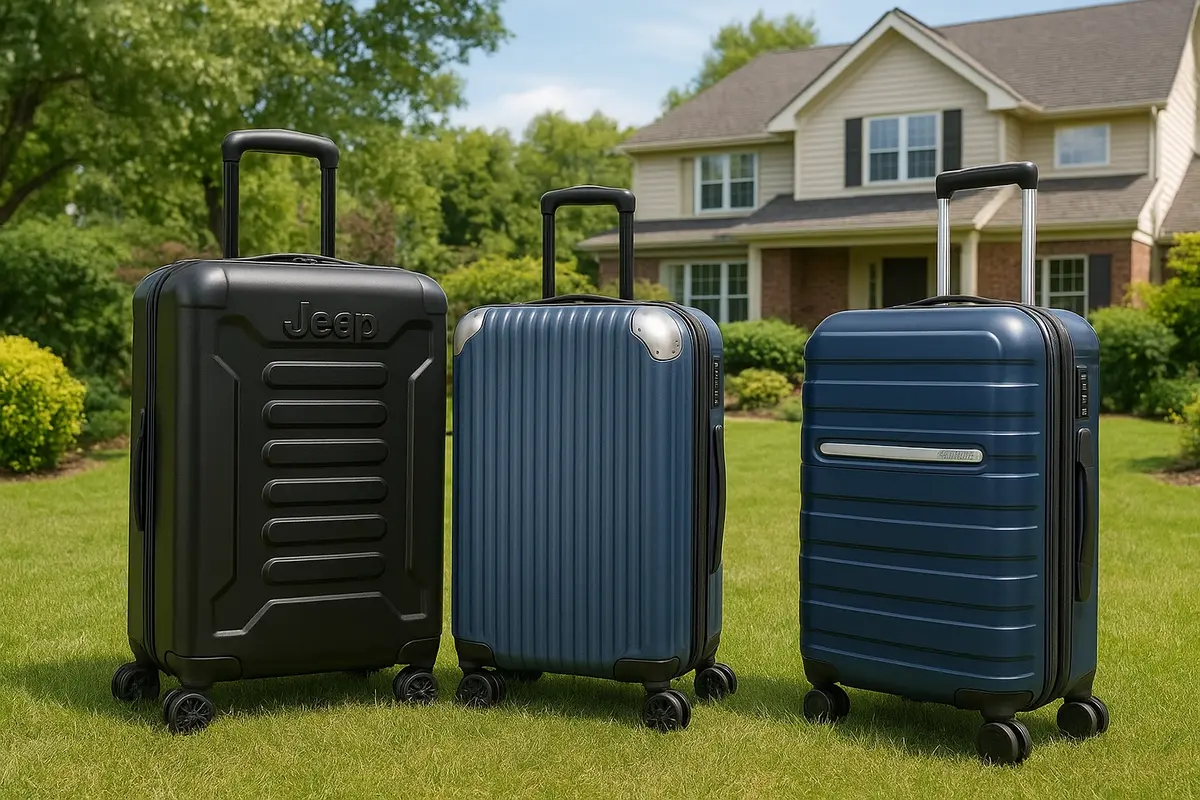
I got creative with furniture. One of our suitcases is a deep navy blue hard case. I started using it as a side table next to the sofa. It sits stacked under a tray or cushion. Friends didn’t even notice until I told them, and surprise – it opens up to store extra throws and game pieces inside! This doubles as storage and a hidden conversation piece.
Likewise, those stylish vintage-looking trunks can replace a coffee table or bench. We have a sturdy old trunk at the foot of our bed. Not only does it keep extra bedding, but I also tuck a medium suitcase inside it. It feels like real furniture, but it’s two pieces of storage in one.
I also use storage benches. Some benches (with lift-up tops) in entryways or at the end of a bed can hide luggage. When company sleeps over, I just lift the bench and grab a suitcase. It’s like a secret compartment.
Entryway and Spare Room: Out of Sight, Handy
If you have a foyer or mudroom closet, that’s prime real estate. I realized I never used my entryway closet for jackets, why not bags? I started storing the frequent-travel carry-ons and backpacks there on a high shelf. It’s near the door (so I see it when I head out) but out of daily way.
Got a spare guest room closet? You can convert it easily into luggage central. I cleared mine of one shelf, pushed a couple of upright bags in the corner, and put packing cubes on another shelf. When guests come, I just shuffle things around.

Small Apartment Hacks:
Living in the city, my closet space was non-existent, so I got creative:
- Bedside Stacking: I stacked a carry-on and a small trolley case next to the bed under the nightstand. They’re next to the bed like nightstands themselves, with just a lamp on top of one. It looks intentional, yet I can unstack them to travel.
- Under Sofa: My sofa has short legs and about 4 inches clearance. I slide a thin yoga bag and a weekend duffel under there. You’d never know it’s there unless you look.
- Over-Door Racks: If your door has upper crossbars (like a closet door), you can use heavy-duty S-hooks to hang lightweight bags or small backpacks by the strap. This keeps them off the floor.
- High Bookcases or Cabinets: I put a small soft-sided bag on top of a bookshelf in my office. It’s just luggage and tech cables in there, safe and out of reach.
No matter how little room I have, I always look up or under first. Wall space and high shelves are the secret weapons. It’s like turning your house inside out, suitcases belong on high shelves, not littering the floor.
Precautions: What Not to Do:
In my first attempts to stow luggage, I made some mistakes so you don’t have to:
- Avoid Damp Areas: I learned that basements, attics, and garages in an older home can be damp and moldy. One summer I left a bag in the garage; when I opened it months later, a faint mildew smell had settled in the seams. Ugh. Now, I either skip those areas or add moisture packs. If you must use them, put your suitcase in a hard plastic bin with a handful of silica gel or desiccant packets. That keeps humidity off your stuff. Also elevate your luggage at least a few inches off the floor using wood pallets or sturdy shelving.
- Don’t Wrap in Plastic: Early on, I thought wrapping a suitcase in a trash bag would keep it clean. Nope. I found the plastic trap caused sweating and yellowed an older canvas bag. Instead, let air circulate. If dust is a concern, I drape a light cotton sheet or buy a breathable suitcase cover (yes, these exist for storage) just to fend off dust. The key is breathability.
- Check Weight and Security: If you hang bags from the ceiling or high hooks, make sure they’re not too heavy or unsecured. I once nearly fell when a cheap hook tore out under a full duffel. Use heavy-duty hardware or stick with shelving if you travel with big, heavy cases.
Conclusion:
In my journey, a few lessons stand out. Do not underestimate the under-bed abyss, it’s the best closet you already have. Use multi-purpose furniture; I still smile every time a guest asks about that suitcase table. And don’t store bags in scary spaces if you can avoid it, your stuff will last longer and you’ll breathe easier.
If you incorporate even a couple of these tricks, storing luggage at home will go from chore to no-thought-needed. No more stepping on stray suitcases in the middle of the night or hunting down that car charger at the bottom of a bag. Instead, your travel gear will be neatly tucked away, ready for your next adventure – and your home will look and feel all the better for it.